Inventory the existing system.
Identify the Poly-B, previous replacements, risers, suite conditions, and the areas that will shape the scope.
Solutions / Poly-B Replacement
Aging polybutylene is a building-wide problem. The replacement plan has to deal with the pipe, the suites it passes through, and the amount of finished building that must be opened to reach it.
The problem
Poly-B was widely installed in Canadian buildings from the late 1970s through the late 1990s. It can deteriorate internally while looking normal from the outside, which makes a building-wide replacement plan more useful than chasing failures one at a time.
The first step is to confirm what the building has, where it runs, and whether previous partial repairs have left a mixed system.
Identify the Poly-B, previous replacements, risers, suite conditions, and the areas that will shape the scope.
Turn recurring failures into one coordinated project.
Plumbing Track uses an enclosed replacement route designed around existing finishes instead of automatically burying the new system again.
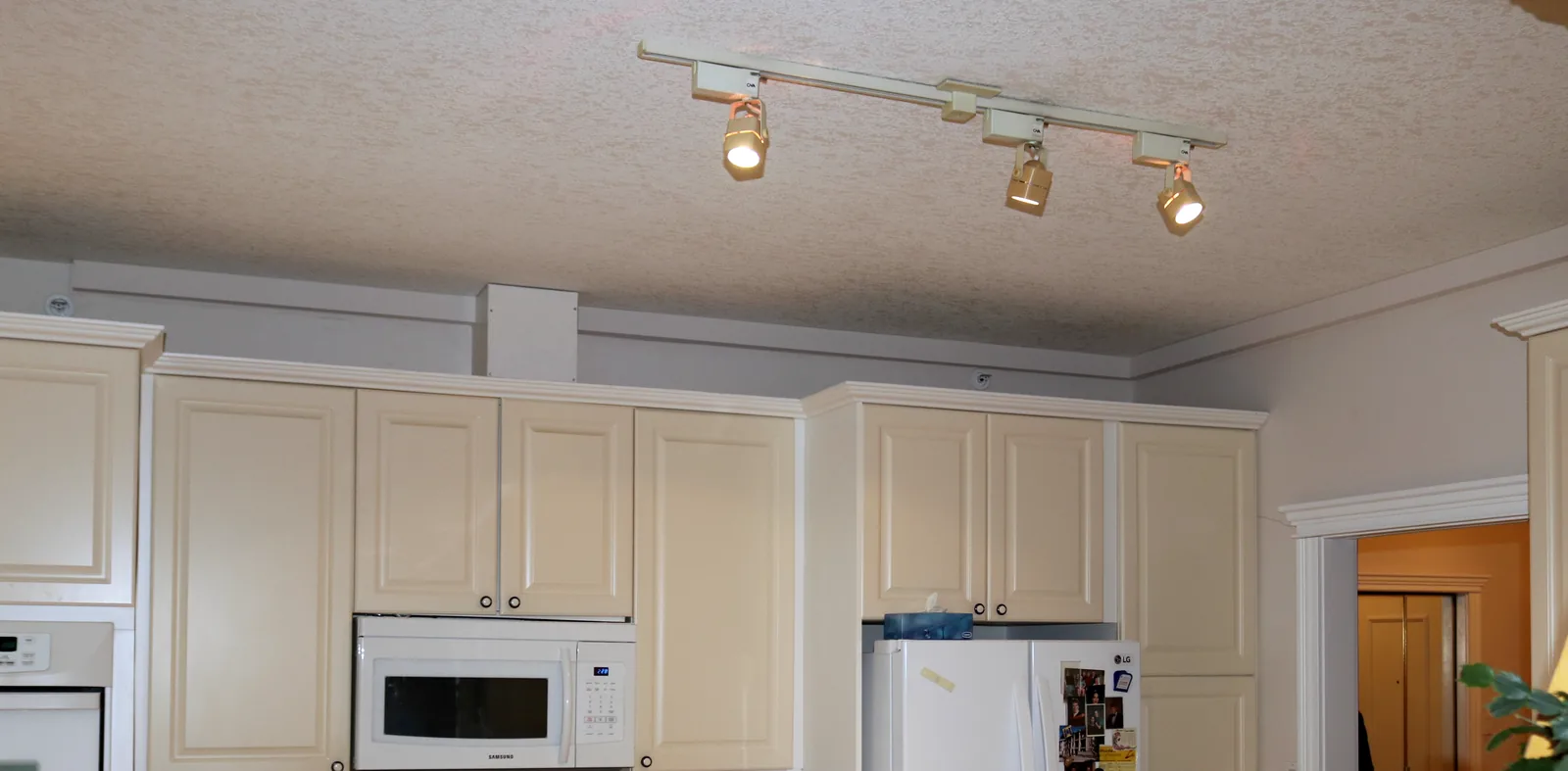
The replacement context
The material problem is only the beginning. Scope also has to account for finished surfaces, access, sequence, and the route the new system will take.
Alberta & British Columbia
Plumbing Track supports multifamily Poly-B replacement from its Calgary and Kelowna service areas. For boards and property managers comparing Poly-B in Calgary, Poly-B in Alberta, Poly-B in BC, or Poly-B in Kelowna, the useful next step is the same: confirm the material, map the route, and scope the replacement around the occupied building.
Service-area conversations still start with the real building: material, route, access, occupancy, and the project conditions that shape the replacement plan.